TL;DR
- This week's top corp dev openings across Canada and the US
- Anthropic and SpaceX turn rivalry into a multi-billion-dollar infrastructure partnership
- GSD helps developers fight AI context rot through structured orchestration
- Liam's Take: AI is splitting into verticals, just like SaaS did
All content is written by me, with research pulled from online sources and AI. Sources are listed where possible. Some sections include photos and graphs generated to complement the articles.
This Week's Roles
This week's hand-picked roles across Corporate Development, Corporate Strategy, and Buyside M&A:
Director, M&A
Perseus Group (Constellation Software)
Senior buyside seat at Constellation Software's homebuilding and construction software portfolio. Sources and executes acquisitions end-to-end — LOI through close — while managing a BD team across geographies. Strong salary band with clear deal-execution mandate inside one of the most active software acquirers in the world.
VP of M&A
PartnerOne
Fully remote VP role at a 30-year-old software roll-up backed by Fonds de solidarité FTQ. Owns the full M&A lifecycle — origination through close — and manages a team of analysts and associates. Strong compensation band for a remote-first seat at an established acquirer.
Director of Corporate Development
Hagerty
Broad corp dev mandate at NYSE-listed Hagerty (HGTY), spanning insurance, marketplace, data and analytics, membership, and media. Owns the full deal lifecycle from sourcing through integration. Rare remote-eligible public-company corp dev seat with SOX exposure — solid résumé builder at a well-known brand.
Manager, Corporate Development and Strategy
Vantage Airport Group
Manager-level seat at a global airport infrastructure platform owned by Investcorp Corsair Infrastructure Partners. Mandate spans corp dev, Vantage Futures (their CVC arm), and strategic planning across a portfolio of international airports. 7+ years required; CFA is a plus.
M&A Advisor (Foundation Fund)
Vista Equity Partners
Buyside seat at Vista's Foundation Fund — a $10B mid-market vehicle targeting enterprise software businesses with $30M–$100M+ in revenue. Sourcing-focused: building proprietary pipelines through direct outreach, industry events, and market tracking. 2–6 years of PE, IB, corp dev, or consulting experience preferred.
From Enemy to Tenant — Elon's $4B Partnership
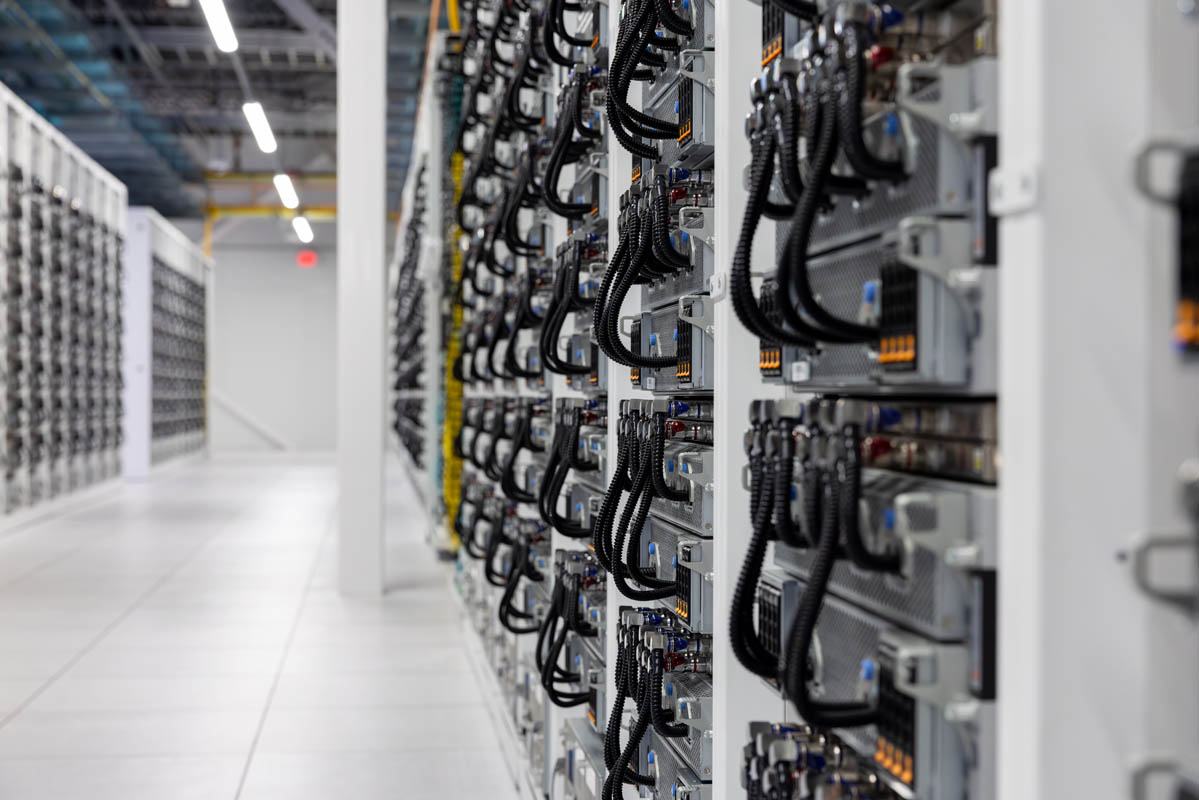
Back in January, xAI engineers were found using Cursor and Claude to accelerate their own model development. Anthropic banned xAI from Claude, and for the next couple of months it seemed these two companies were preparing for battle.
In February, Elon Musk responded to Anthropic's $30 billion funding round with a jab of biblical proportions: "Frankly, I don't think there is anything you can do to escape the inevitable irony of Anthropic ending up being Misanthropic. You were doomed to this fate when you chose your name." He went on to call Claude "evil", accused the company of racial and demographic bias, and added that "Anthropic hates Western Civilization".
Fast forward to May 6th, and Anthropic has just announced they will be leasing the entirety of Musk's Colossus 1 supercomputer. That's 220,000+ NVIDIA GPUs and 300+ megawatts of capacity in the Memphis datacenter. So what exactly happened, and how did Elon go from saying that Anthropic was against humanity, to leasing them his largest data center?
Corporate Strategy Makes for Unlikely Bedfellows
On one side, Anthropic's demand has been growing at a pace that they can't comfortably sustain. At Anthropic's 2026 annual developer conference, CEO Dario Amodei told the audience that the company is on an 80x annualized revenue and usage growth rate through Q1 2026, against their internal forecast of 10x. The inevitable infrastructure strain has been apparent to users too.
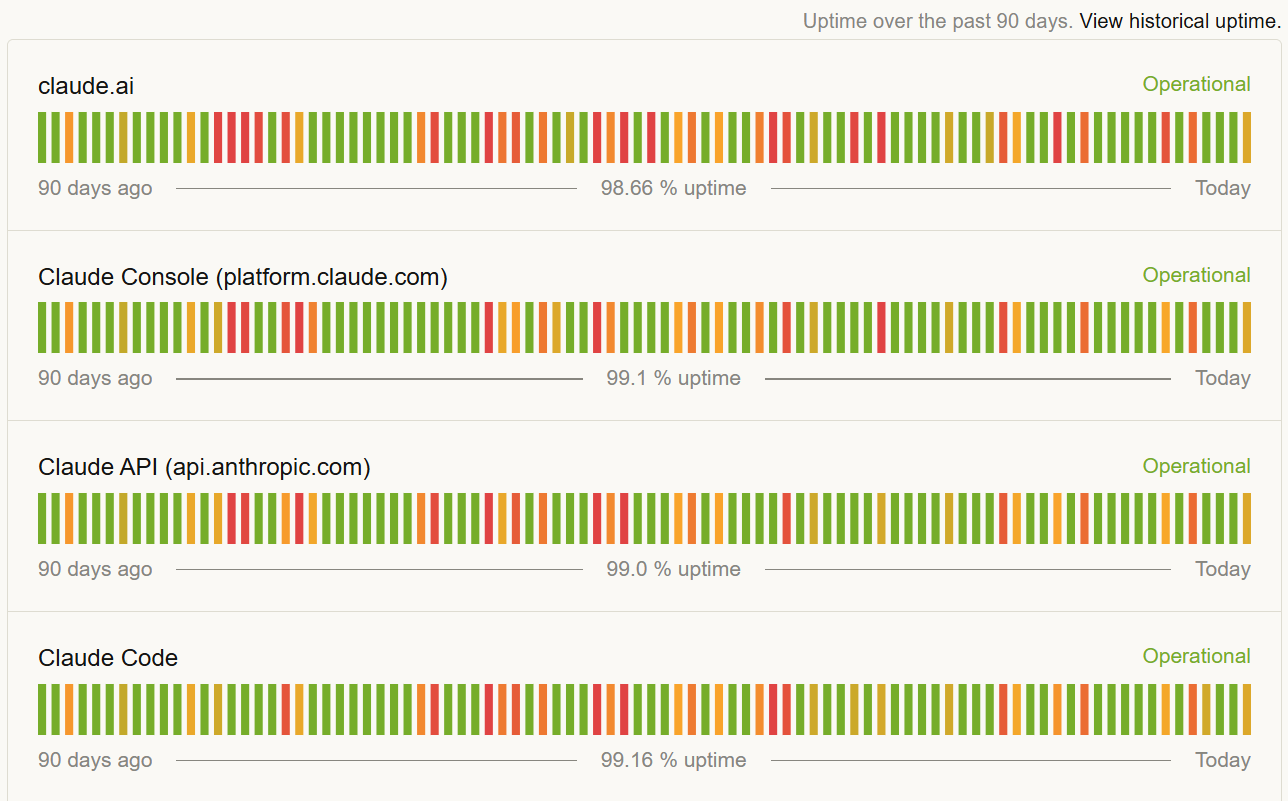
The chart above tracks Claude system outages over the last 90 days. Orange bars indicate partial outages, while red bars indicate major outages — complete shutdowns, typically lasting between thirty and ninety minutes. These outages are highly frustrating for users, and they're happening more often than one would expect. Executives reportedly considered removing Claude Code from the Pro ($20/month) tier entirely to reduce strain on the system.
By contrast, Musk originally built Colossus 1 in 2024 to train Grok, xAI's competitor to ChatGPT and Claude — but Grok never quite received the demand surge to justify the scale of the datacenter. Per The Information, Colossus' GPU stash has been running at just 11% utilization. Leasing that facility to Anthropic turns a depreciating, underutilized asset into a significant source of recurring revenue — potentially $3–4 billion annually.
This role reversal from enemies to partners is a way for both companies to fix their problems simultaneously. It gives Anthropic access to additional compute resources, allowing them to expand inference capacity without waiting for new datacenter construction. It also allows Musk to use existing SpaceX assets to undercut AWS, Azure, and Google Cloud in the hyperscaler race, while simultaneously generating revenue.
The arrangement also highlights a broader shift in AI: model developers are increasingly competing at the application layer while cooperating at the infrastructure layer. Training these frontier models now requires capital commitments so large that even rivals are aligning to grow.
Sources: Fortune (May 2026); Axios (May 2026); Bloomberg (May 2026); CNBC (May 2026); Euronews (May 2026); Anthropic announcement (May 6, 2026); SpaceNews (May 2026); Fox Business (Feb 2026); The Information (May 2026, via Fortune and Axios).
Editor's Note
One beneficial side effect of this new lease is that Anthropic is immediately increasing their token usage limits for Claude Code and Claude API. In a tweet from May 6th, Anthropic announced the limit increases, and have reportedly doubled Claude Code limits while removing peak-hour throttling and giving much higher API rate limits for the Opus models.
Tool of the Week: GSD for Claude Code

GSD (short for get-sh*t-done) is an open-source framework that sits on top of Claude Code, created by developer Lex Christopherson (TÂCHES). It does what the name suggests — you can think of it loosely as a bundle of skills that sits in your Claude Code interface and allows you to orchestrate highly organized, well-structured projects from start to finish.
The Problem it Solves
Anyone who has spent a long time in a single AI work session likely knows the pattern of context rot. The first hour is productive and sharp — but by hour two or three, the model starts contradicting itself, producing conflicting responses, and generally deteriorating. As the session grows, earlier context becomes less salient, instructions begin to conflict, and the agent starts to lose consistency across long chains.
The standard workaround is to start a fresh session with the context you've learned, and try to explain your progress in the new session — but you often end up with an incomplete and brittle base.
How GSD Orchestrates
Rather than try to keep a single long session on track, GSD breaks up your project into many smaller, sub-projects, called phases. For example, a dashboard project might be broken into planning, schema design, frontend construction, API integration, and QA/testing phases. You start any project with a detailed interview session, where you work back and forth with the agent to articulate the intended outcomes. GSD then splits your project up into phases, which are tackled in sequence with your oversight. At the end of every phase, the model produces a detailed MD file, outlining all the work that was done and how it will feed into the next phase.
Notably, each phase also concludes with a debug and verification run, where all the code is tested for quality and functionality. Sometimes it involves human smoke tests, like logging into the app/site/file and confirming it actually works.
Why This Matters for Corp Dev Professionals
You can often get away with building simple HTML files and throwaway scripts without a serious organization tool, but for anyone delving into more involved projects — internal dashboards, automated pipeline reports, deal-signaling platforms — context rot starts to become a real issue. GSD helps solve this issue, and exists for free as both a standalone CLI and an add-on to Claude Code.
Tools like GSD reflect a broader shift in AI development: moving from isolated prompts toward structured orchestration systems designed to manage complex, multi-stage workflows. The big AI labs are no longer just selling general purpose chatbots. We've seen this time and again across the ecosystem — models originally launched as "one-size-fits-all" tools, but the labs that built them are increasingly releasing sub-agents that respond to the needs of a specific subset of users: Claude for Legal, ChatGPT for Healthcare, GSD-style developer frameworks are all examples of specific agentic tools that have been recently released.
Sources: GitHub (April 2026); The New Stack (Jan 2026); Augment Code (Apr 2026); MindStudio (Mar 2026).
Editor's Note
A common complaint is that GSD is token-heavy: one user reported a 4:1 overhead ratio (four tokens to orchestration for every one token writing code). After the 5-hour token doubling Claude rolled out on May 6th, this has been less of a problem for casual users, but it's important to note that the weekly token limit has not increased. If you find yourself coding every day, GSD's token utilization could end up being a constraint. I've heard of other orchestration systems that are more token friendly, but have not personally used them.
What Was the Utopian Vision for AI?
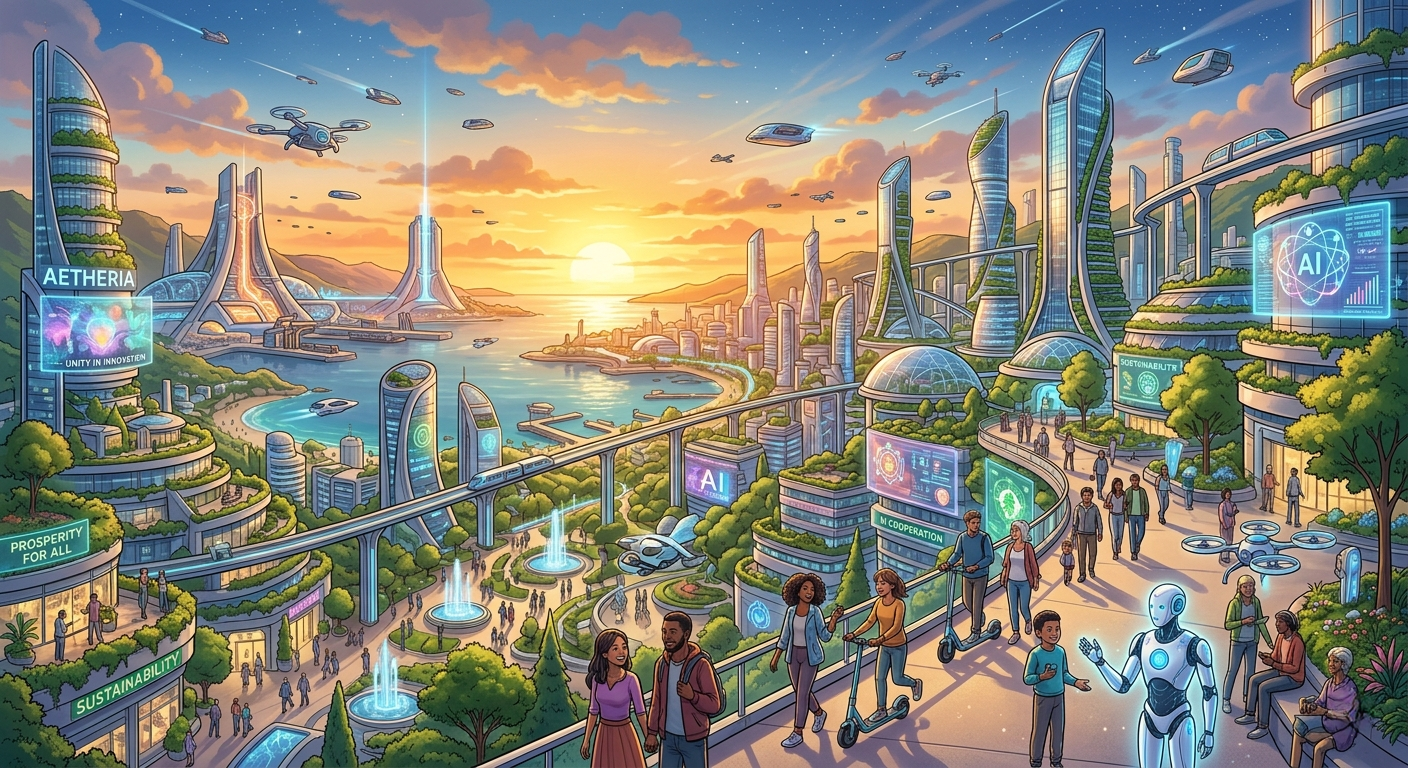
When AI started becoming a ubiquitous topic of conversation sometime back in late 2022, I think the vision or end-goal was to develop systems that would sprawl across our range of needs and deliver value without really having to learn how to use them. This matched very closely with what we've seen in science-fiction — Jarvis-style chatbots that almost know what we want before we ask and are able to produce outcomes with very little input.
The traditional SaaS companies took a hit from this perception. Companies built around specialist tools watched their valuations drop on the theory that generalist agents would consume them. Why pay for a dozen subscriptions when one chatbot could do it all?
But increasingly, those "generalist agents" are turning out to be more like the specialist tools they were purported to replace. And instead of a one-size-fits-all chatbot, users are now learning different systems to help accomplish their goals.
I'm not saying this isn't leading to improvements in efficiency, but I do think this path to utopia has a soft irony to it. We were pitched on one tool to replace twenty, and we're ending up with twenty new tools, just powered by the same three models. Are we destined to repeat ourselves infinitely?
I heard a joke recently that software developer shops have started hiring junior developers to write baseline code to ease the token burden of AI coding platforms. Only I'm not certain it was a joke…
Thank You
Thanks for the support — it means a lot. Consider sharing with your network, or providing feedback here: corpdevcareers.com/contact
I post every Thursday. Subscribe to get the next issue delivered to your inbox.
— Liam